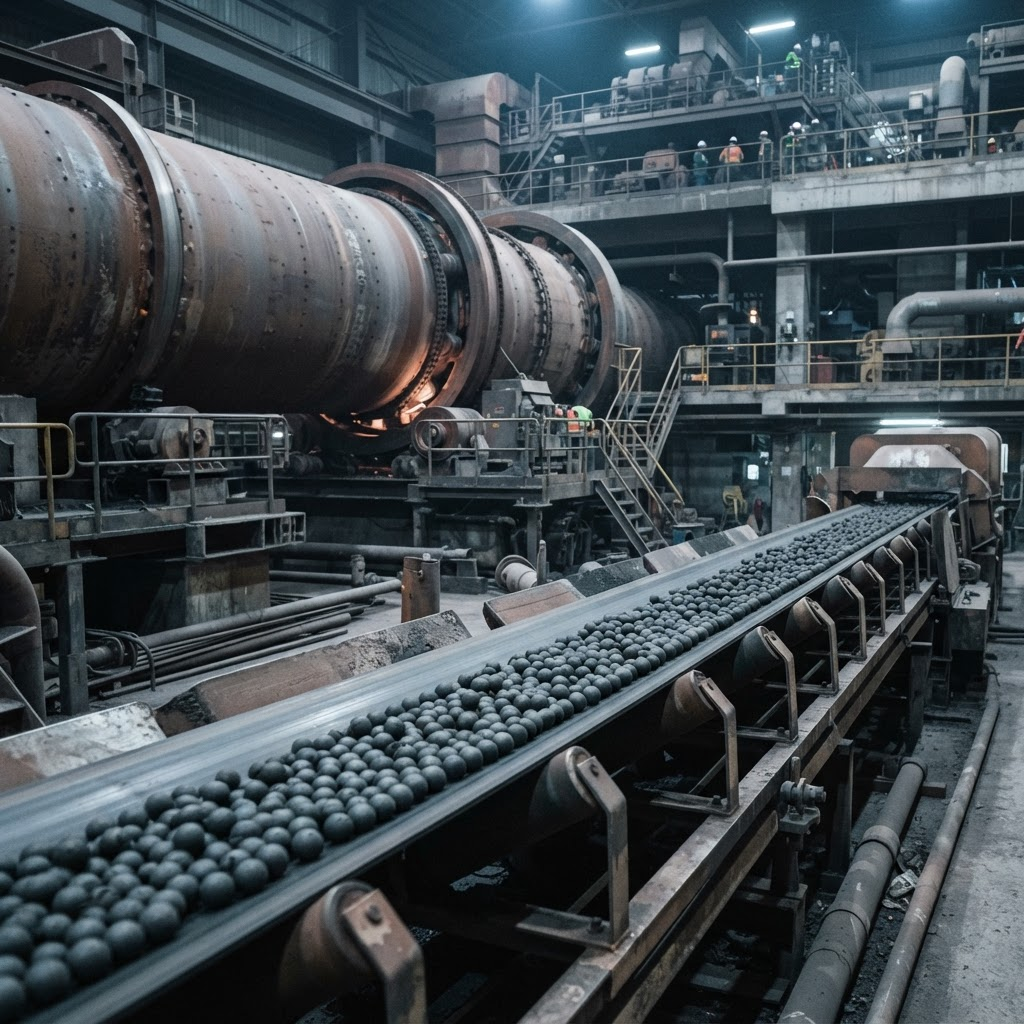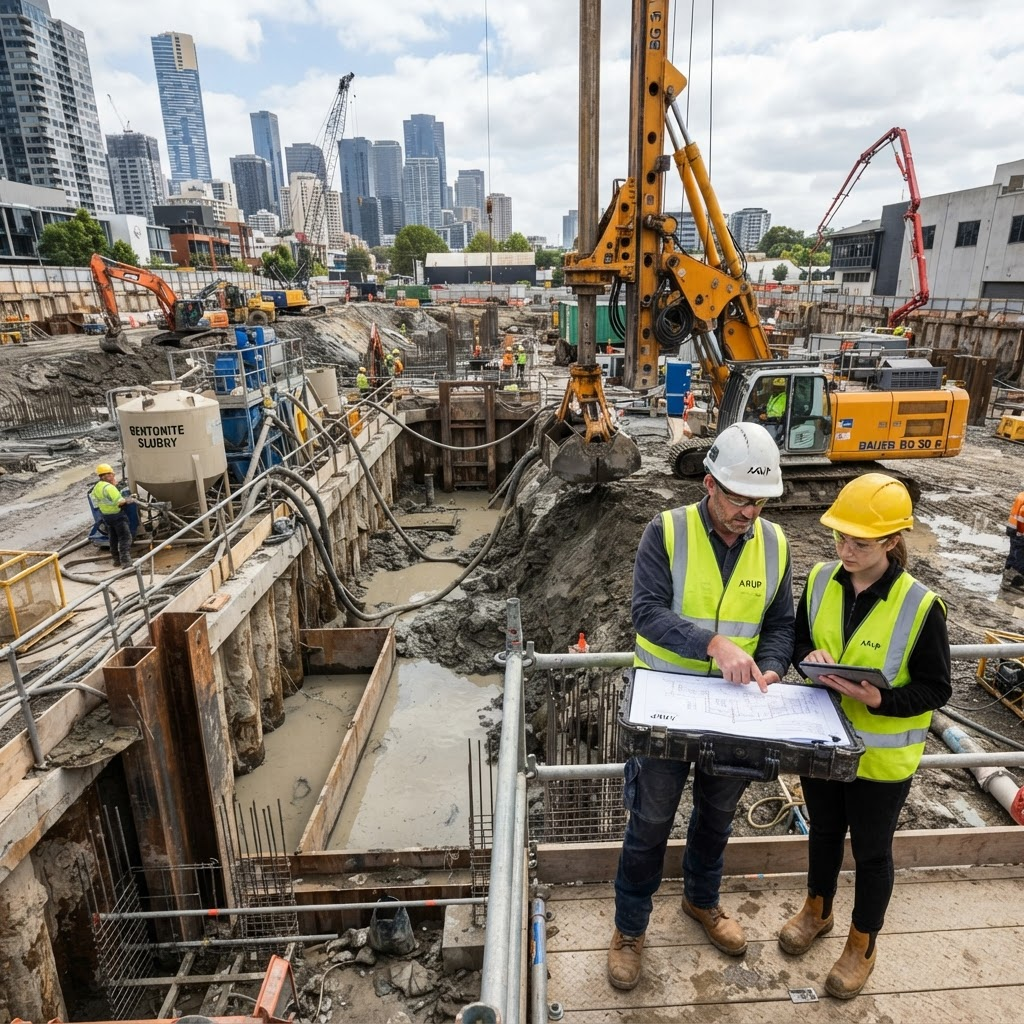

From viscosity to filtration control, bentonite is the backbone of drilling mud. Here is what procurement teams should look for in a reliable supplier.
The backbone of drilling mud
Bentonite is the workhorse additive in water-based drilling fluids. Its swelling clay structure builds the viscosity that suspends and lifts drill cuttings to surface, while the thin, low-permeability filter cake it forms stabilises the borehole wall and controls fluid loss into the formation. Without a dependable clay base, every other additive in the mud system has to work harder.
Why API grade matters
API-grade bentonite is manufactured to meet strict specifications for yield, viscosity, and filtrate volume. Using off-spec clay forces operators to dose more product to hit the same mud properties — driving up cost and inconsistency. A reliable API grade delivers predictable rheology with lower consumption, which is exactly what a drilling programme budget depends on.
Viscosity and filtration control
The two properties procurement teams watch most closely are apparent viscosity and API filtrate. Well-processed sodium bentonite hydrates fully to give strong gel strength at modest concentrations and keeps filtrate within tight limits, protecting both the borehole and the formation from damage.
Choosing a dependable supplier
Look for a direct manufacturer who tests swelling index, moisture, and gel formation on every batch and can supply consistent particle sizing in export-ready packaging. Sourcing from source — rather than through intermediaries — removes a major source of batch-to-batch drift in drilling programmes.