Iron content is the single biggest factor in glass clarity. We break down why keeping Fe₂O₃ below 0.03% matters and how we achieve it consistently.
Why iron is the enemy of clear glass
In glass manufacturing, iron oxide (Fe₂O₃) is the single most influential impurity affecting clarity and colour. Even trace amounts impart a green or amber tint that is unacceptable for premium container, float, and optical glass. This is why demanding buyers set strict ceilings — often below 0.03% Fe₂O₃ — on the silica sand they source.
How we keep Fe₂O₃ consistently low
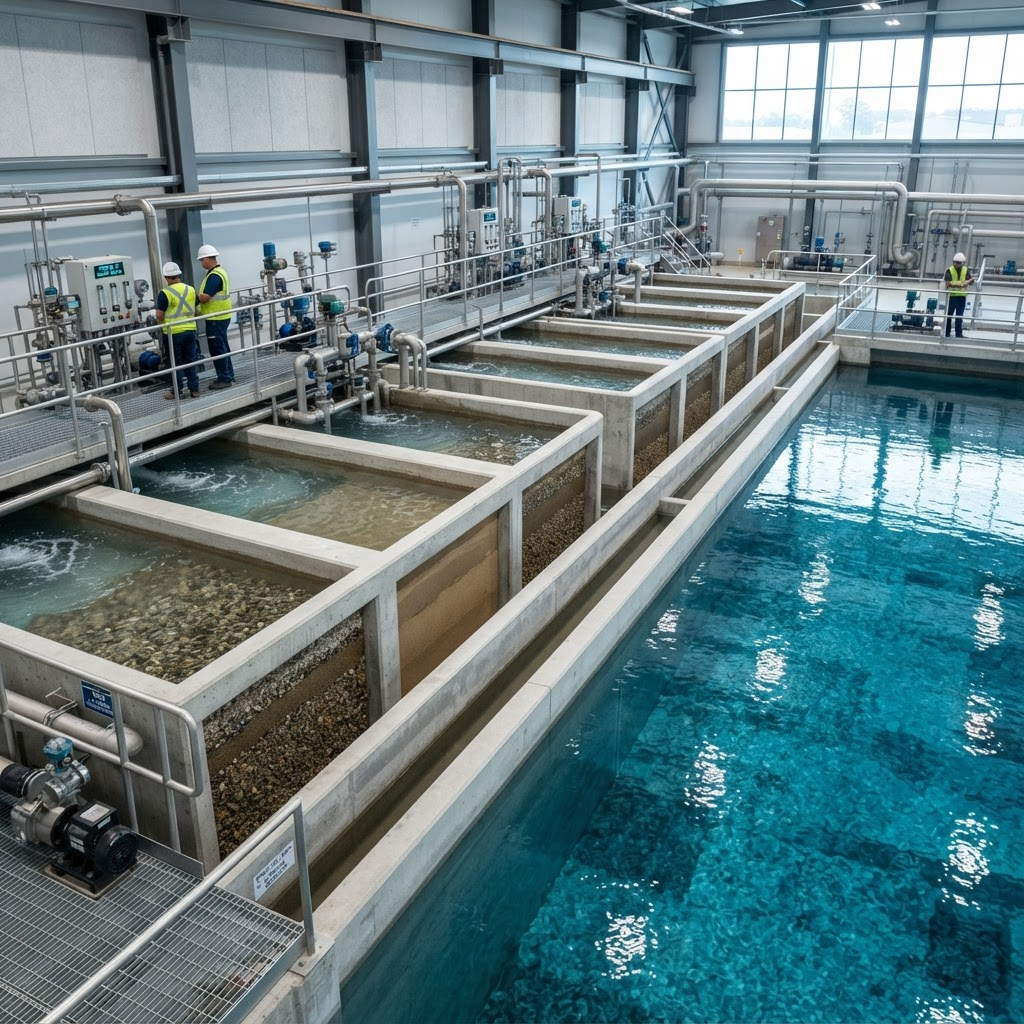
Our silica sand is washed, attritioned, and screened through tight size fractions, followed by magnetic separation to strip iron-bearing minerals. Every batch is tested for iron content and grain distribution before it is packed, so what leaves our plant matches the specification sheet — shipment after shipment.
Consistency is the real differentiator
Meeting a low-iron spec once is easy; meeting it on every consignment across months of supply is hard. As direct miners and manufacturers, we control extraction and refining end to end, which removes the variability that comes with brokered material and gives glass plants the predictability their processes depend on.
What procurement teams should ask for
Request a recent, batch-specific certificate of analysis, confirm the guaranteed Fe₂O₃ ceiling, and check grain-size grading against your furnace requirements. A supplier who can produce this documentation on demand is one you can build a long-term supply plan around.