Moulding and core sand quality decides casting surface finish. We look at how refractoriness, AFS grain fineness, and shape affect the foundry.
The mould and core workhorse
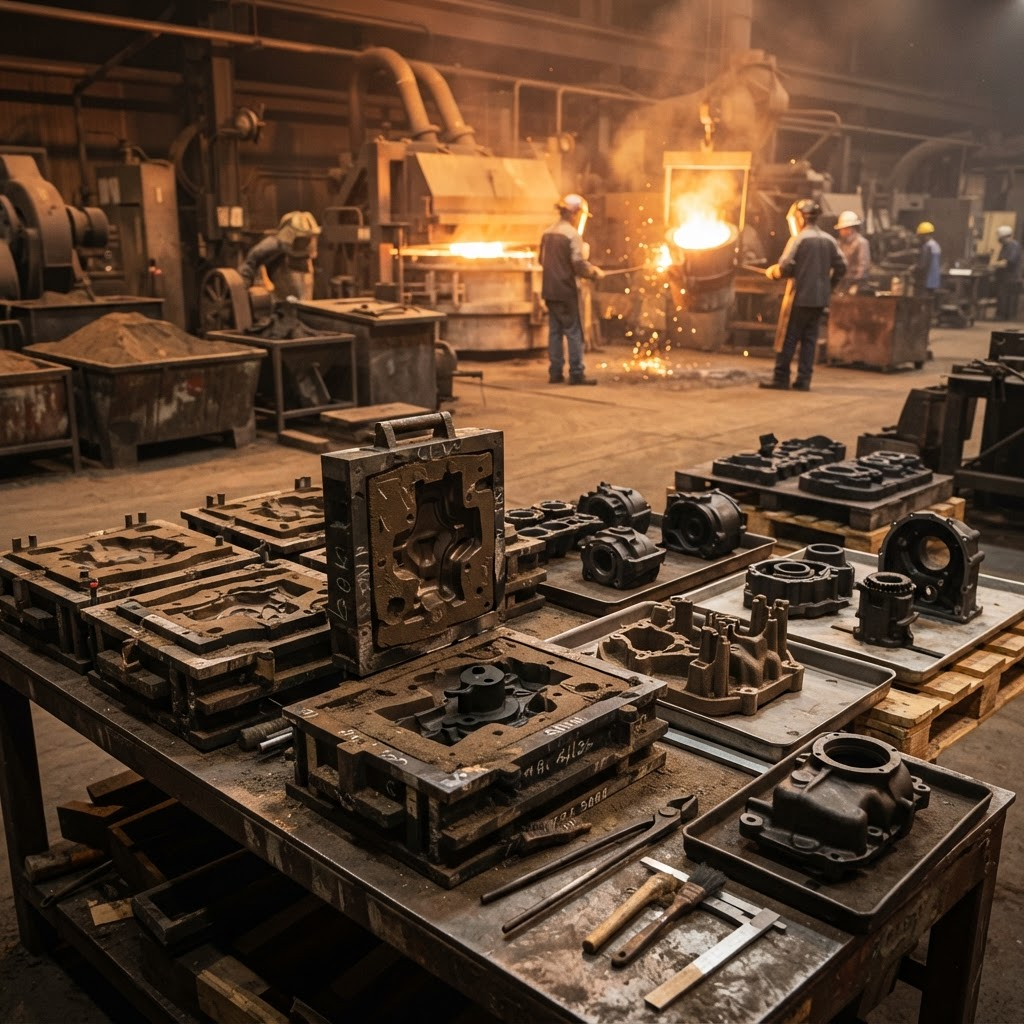
Silica sand is the primary moulding medium in most foundries because of its high melting point, availability, and ability to be bonded and reused. The sand must withstand the thermal shock of molten metal while reproducing fine mould detail.
Refractoriness under the pour
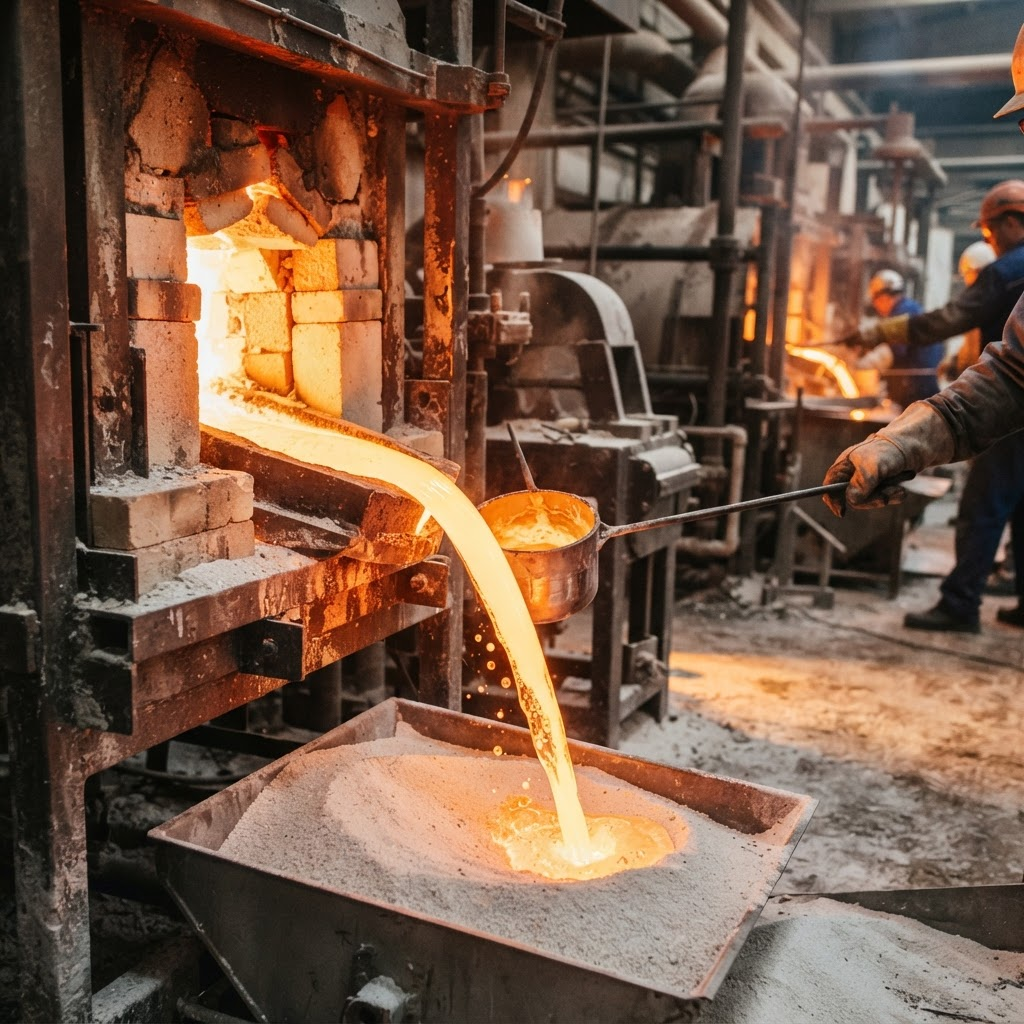
A high-purity silica sand with elevated SiO₂ content resists fusion at high pouring temperatures, preventing burn-on and rough surfaces on the casting. This refractoriness is especially important for steel and high-temperature alloy work.
Grain fineness and shape
AFS grain fineness number and grain shape govern permeability, surface finish, and binder demand. Rounded, well-graded grains improve flowability and mould strength, while consistent sizing keeps binder consumption predictable across the moulding line.
Clean, consistent supply
Foundries need low-clay, low-moisture sand delivered to a stable specification. Sourcing foundry-grade silica directly from the manufacturer ensures the grain distribution and purity that quality castings demand.