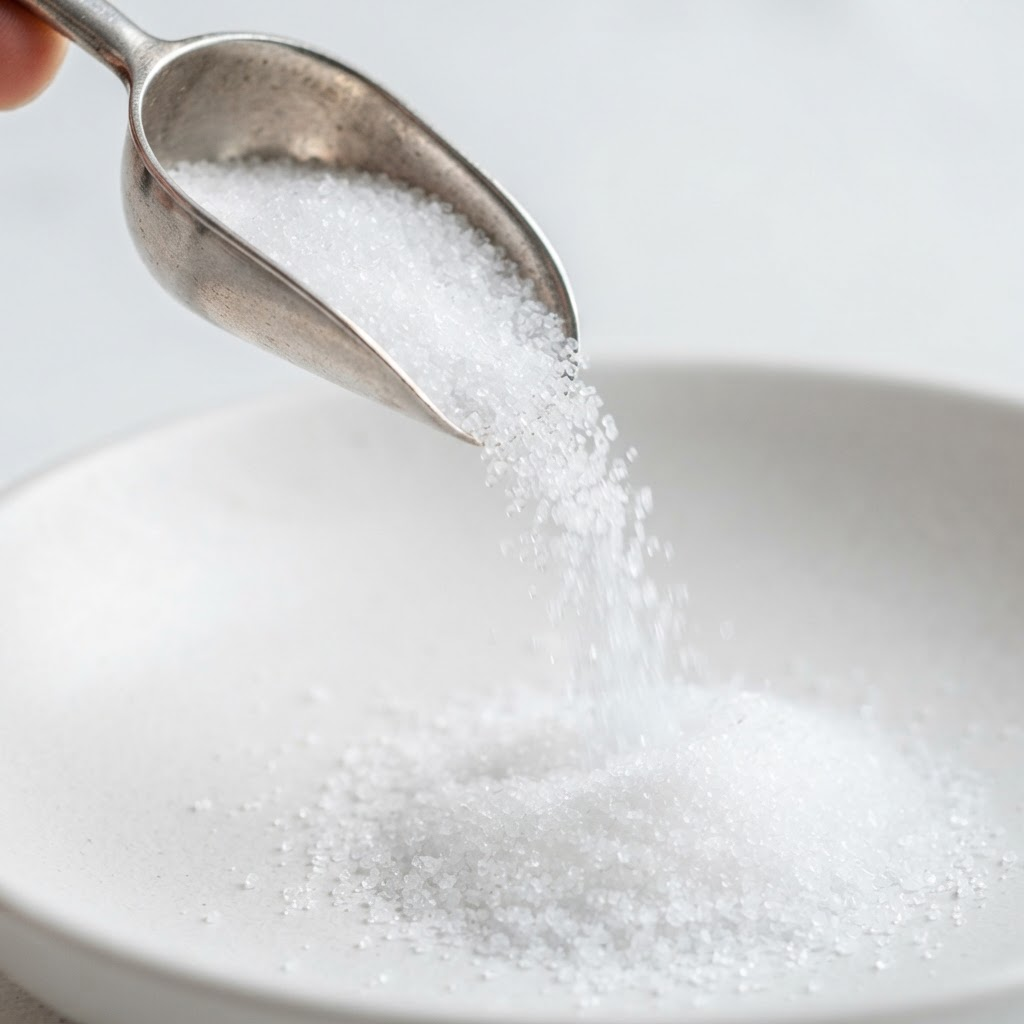
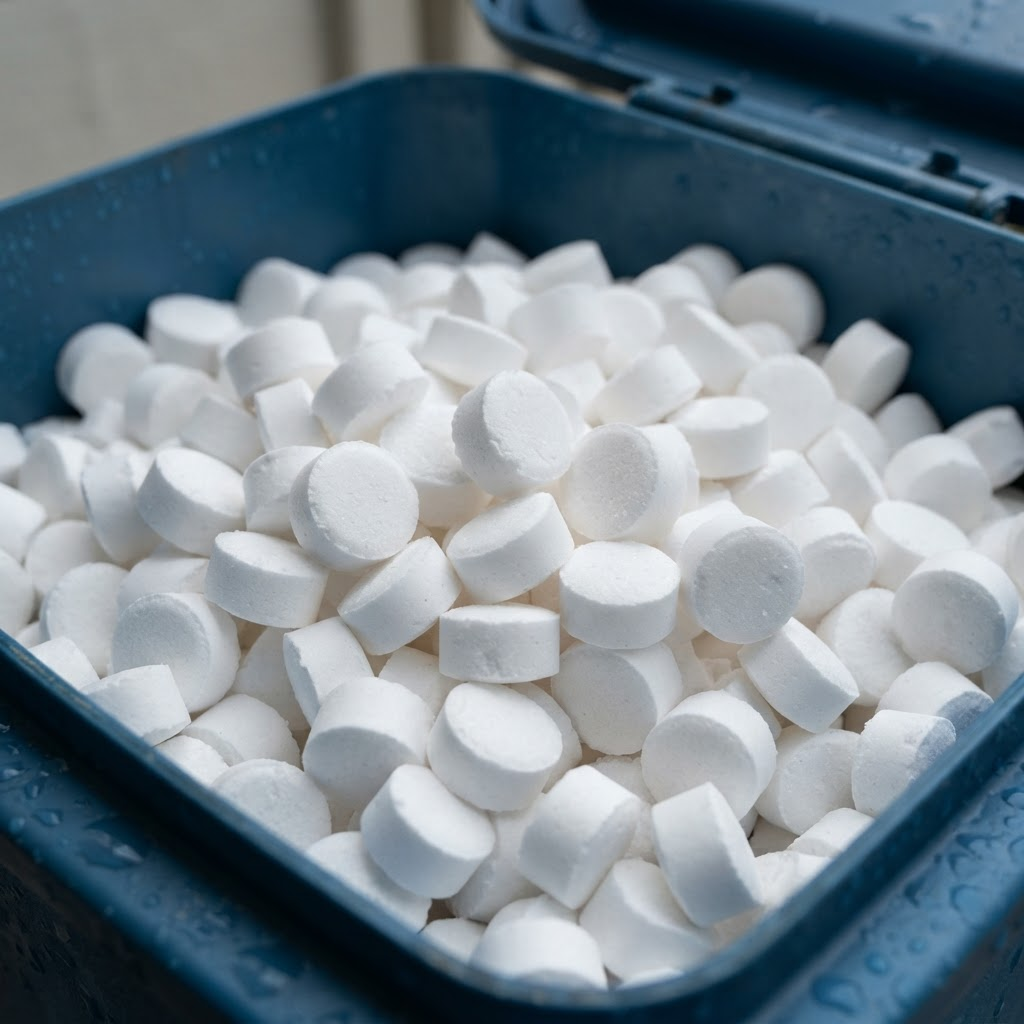
Water softeners depend on high-purity salt to protect resin beds and appliances. A look at what makes a good water-softening tablet or crystal.
How softening salt works
Water softeners use salt to regenerate the ion-exchange resin that removes hardness-causing calcium and magnesium. The quality of that salt determines how cleanly the resin regenerates and how well the softener performs over its life.
Why purity protects the system
High-purity salt with very low insolubles prevents sludge and residue building up in the brine tank and fouling the resin bed. Cleaner salt means fewer maintenance issues and a longer-lasting softener.
Tablets, crystals and blocks
Compressed tablets and hardened blocks dissolve at a controlled rate and resist bridging in the brine tank. Consistent size and hardness keep regeneration predictable, which is why purity and compression quality both matter.
Consistent grade, consistent water
Households and industry alike rely on softened water for appliances, boilers, and processes. A dependable water-softener grade with stable purity ensures reliable performance batch after batch.