Kaolin is the defining raw material of fine ceramics and sanitaryware. We look at how brightness, particle size, and plasticity shape the finished piece.
The mineral behind white ceramics
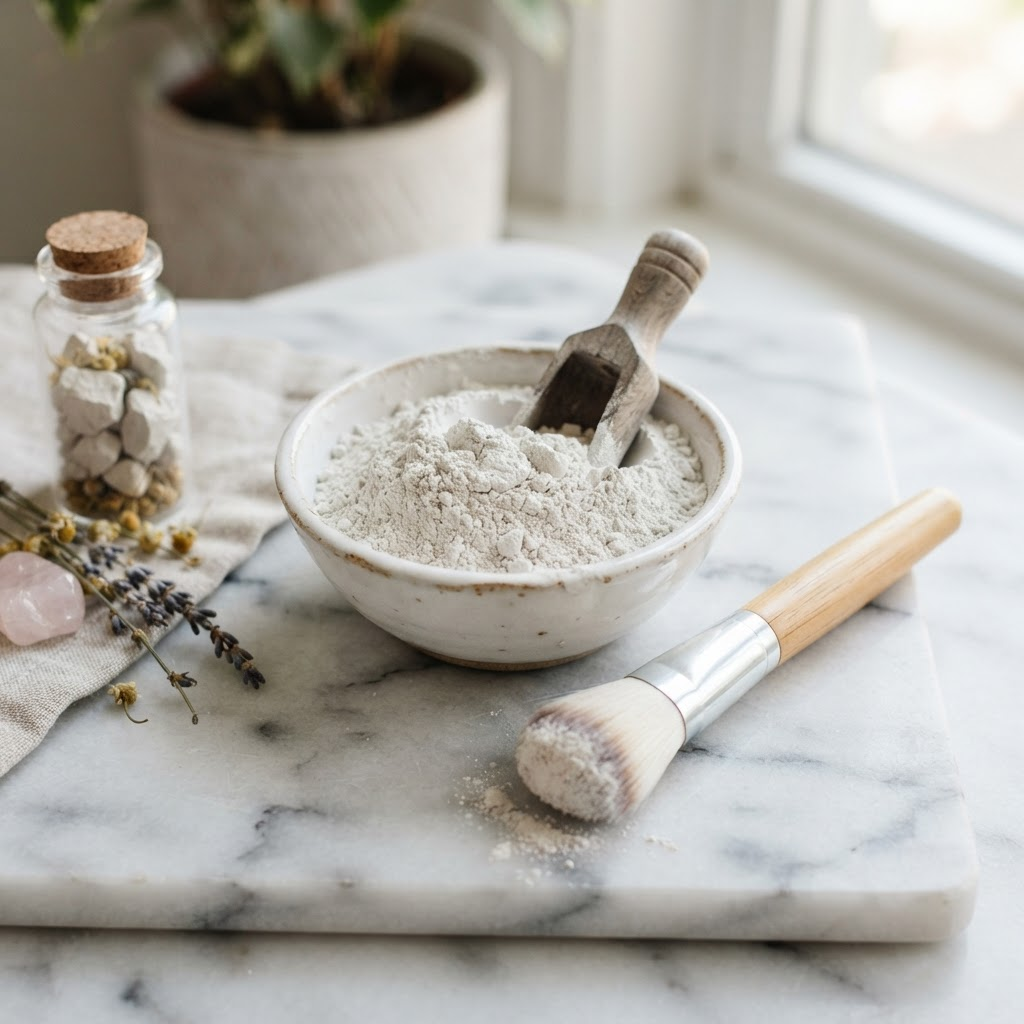
Kaolin, or china clay, is prized in ceramics for its high whiteness, plasticity, and clean firing behaviour. It forms the backbone of bodies and glazes for tableware, tiles, and sanitaryware, contributing both to workability before firing and to strength after.
Why brightness and whiteness matter
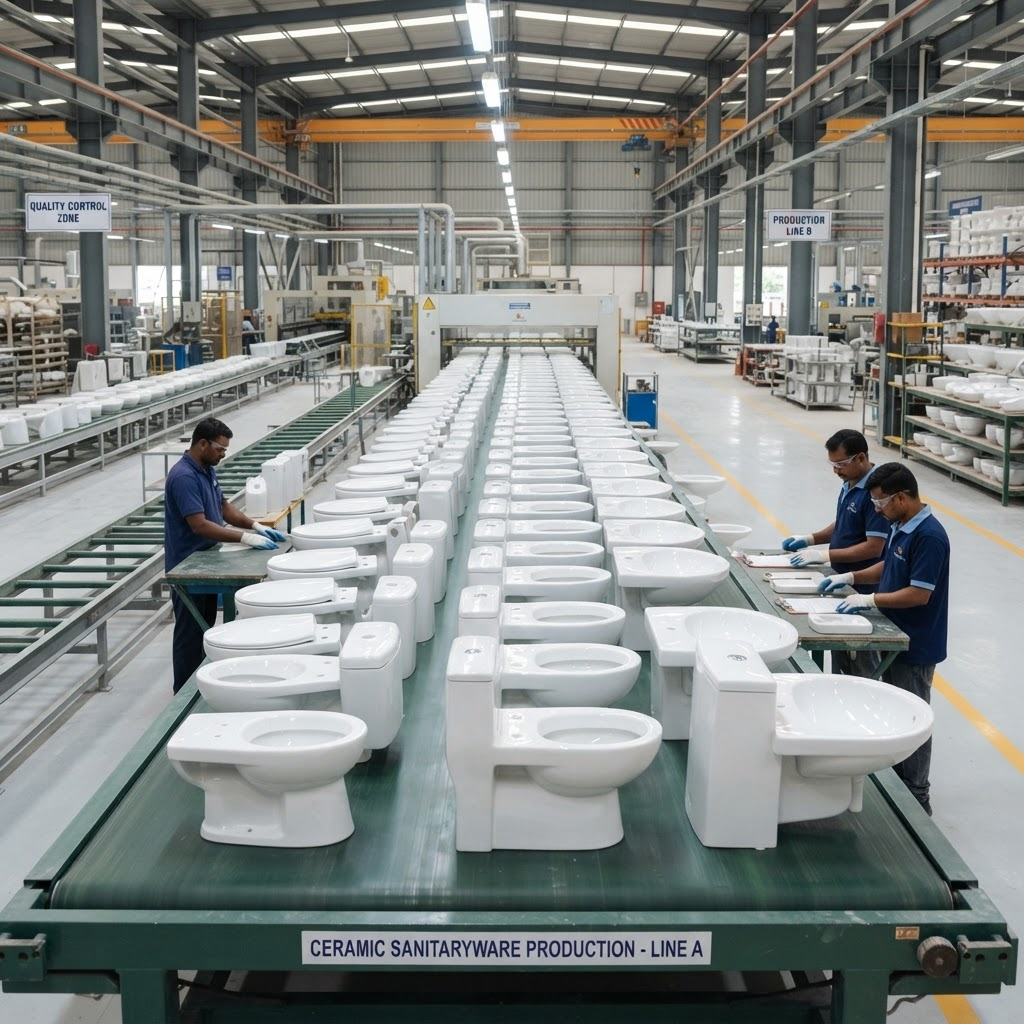
For premium ceramics, the whiteness of the fired body sets the tone for the whole product. A high-brightness kaolin with low iron and titanium impurities produces the clean, bright finish that sanitaryware and fine tableware demand, without discolouration after firing.
Plasticity and casting performance
In slip casting, controlled particle size and plasticity govern how the body flows, releases from moulds, and holds detail. A consistent, well-refined china clay keeps casting rates stable and reduces rejects on the production line.
Consistency across firings
Ceramic manufacturers fire in large, energy-intensive batches, so raw-material consistency is critical. Sourcing ceramic-grade kaolin with tested brightness, residue, and loss-on-ignition figures protects both product quality and yield.